TLDR: The Hunter Transmission Project's approval is an emissions win. It brings decarbonisation, not offsets, to Hunter industry and it keeps the lights on while it does that. The route also changed a lot because people pushed back on it. But it's only half the job. The line that will actually fill it with power, the New England REZ transmission project, is still being fought over, and that fight needs the same attention that this one got.
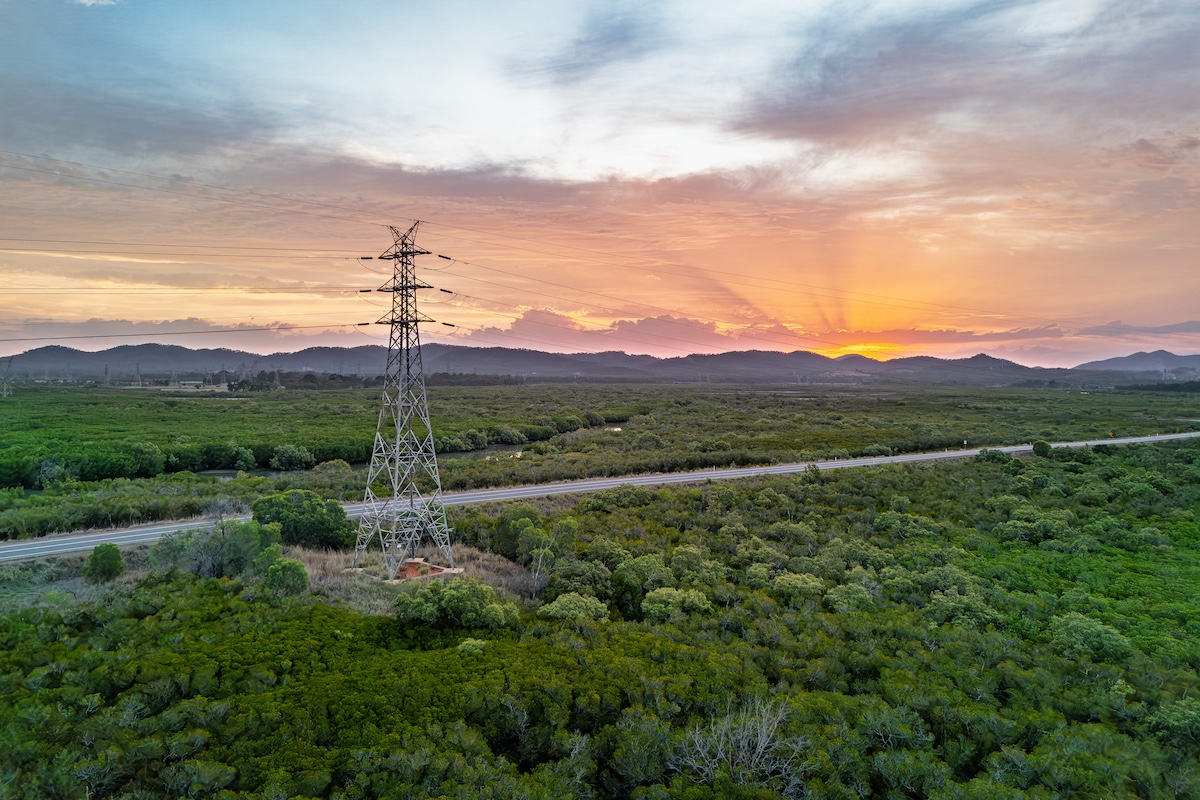
Congratulations to everyone who backed swift delivery and good design of this project. The Hunter Transmission Project (HTP) was approved this week: a 110km, 500kV line from Bayswater to Olney that closes a gap in the grid as coal power stations retire.
We spent close to a year working with people and industry across the Hunter before we released our report Powering up the Hunter last May, and we've backed the HTP the whole way through as key to decarbonising the region while keeping the lights on and keeping power affordable for the industrial jobs that depend on it.
A few of the bigger points:
- This line maintains energy supply for the homes and industry in the Hunter. HTP connects the Central-West Orana and New England Renewable Energy Zones into the existing 500kV network. As coal comes offline,
- It enables real emissions reductions, not offsets for heavy industry. Large industrial facilities in the Hunter have already committed to decarbonising. This makes fuel switching possible for existing heavy industry, and enables the green energy supply needed for new clean industries to grow in this region. Not offsets and not PPA’s covering the gap.
- Done properly, this project is a key regional economic enabler. It keeps jobs in the region, opens up work for the next generation, and helps build the supply chains, clean transport and critical equipment that a zero-emissions Australia will need no matter who ends up building any single line. Our detailed Hunter Regional Readiness assessment goes into this in more detail.
- Community engagement made a difference. The route was redrawn after community input, cutting the number of directly affected properties from around 70 to fewer than 20, and it now avoids nearly all of the local Littlejohn's Tree Frog breeding habitat. The Biodiversity Council still raised real concerns in its submission about impacts on threatened species, and some landholders are still stuck in a difficult acquisition process. All these things can be true alongside the project being worth building.
- HTP is the southern half of a longer section of transmission and generation projects. The New England REZ transmission project is the northern half, the line that actually fills HTP with power from the REZ, and it's still going through federal approval. Engagement with farming communities around Gundy and Scone has not gone well. If HTP is going to deliver what it's meant to deliver, that engagement needs to go better than it currently is. That's where we think the next hard conversation needs to happen.
If you're weighing up this project, or the New England REZ line, and want to talk it through, we'd love to hear from you. Many of you will already know that the wonderful Sam Mella, who has led our work in the Hunter out of Newcastle for the past six years, including much of the thinking behind our position on HTP, has resigned and is taking a well-earned break.
For anything Hunter-related from here, please reach out to Matt McKee, our Chief Researcher. Matt and the team would like to hear from you.



.jpg)

%201.webp)

