Home
News & events
Media releases
Industry
WA’s wind boom is outrunning its grid plans

Home
News & events
Media releases
Industry
WA’s wind boom is outrunning its grid plans
March 24, 2026
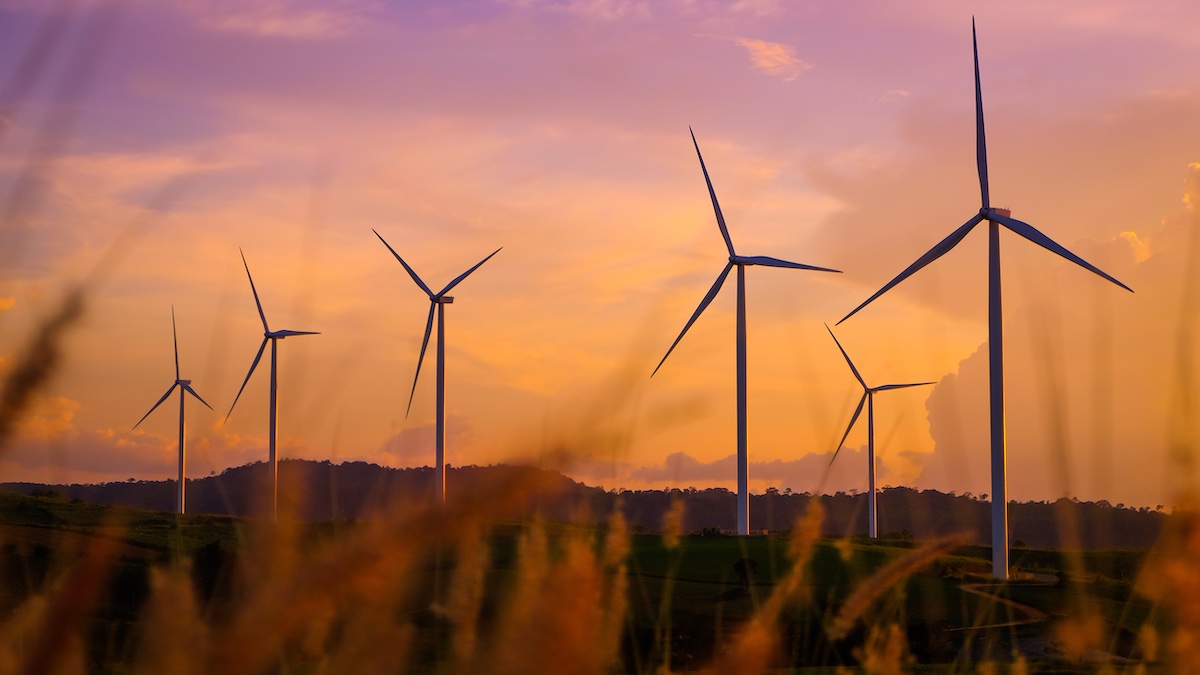
The agreements, signed by government-owned Synergy and the Water Corporation, will enable the construction of over 1 GW of renewable generation capacity, and are key to the state’s ambitions to close all publicly-owned coal-fired power stations by 2030.
Two of the three projects – the Parron Maam Marang and Marri Wind Farms – sit within the corridor served by the Clean Energy Link – North transmission project, which is currently under construction and targeting completion in 2028.
These two projects represent just under three quarters of the additional hosting capacity enabled by Clean Energy Link – North. However, a further 2.7 GW of generation along the same corridor has received state development approval, 216 MW of which is already under construction. With no published plan to expand transmission capacity along this route beyond CEL – North, it leaves the majority of approved generation with no clear path to grid connection.
According to BZE Chief Researcher Matt McKee, the undersizing of transmission lines is not unique to Western Australia, but is reflective of a trend the organisation is seeing nationwide.
“Australia is building transmission infrastructure right now that isn't sized for our 'Superpower' ambitions. For a clear example, look at Central Queensland. Powerlink’s Gladstone Project will allow the partial decarbonisation of the region’s manufacturing sector, but isn’t big enough to deliver green industry growth. Increasing its capacity at a later date will prove more costly than if the line had been sized appropriately from the outset.”
These findings were published in the report Powering Up Gladstone – part of BZE’s National Action Plan. The plan sets out how Australia can strengthen regional economies while also meeting its climate commitments. It maps clear, region-specific pathways for decarbonising heavy industry, supporting local jobs and boosting global competitiveness.
BZE is currently undertaking National Action Plan assessments for Western Australia’s Kwinana and Port Hedland industrial precincts.
Contact
Matt McKee
Chief Researcher
0466 903 125 or matt.mckee@bze.org.au


.jpeg)

_Page_01.jpg)

%201.webp)
