Home
News & events
Government submissions
Industry
How Australia can get data centre growth right

Home
News & events
Government submissions
Industry
How Australia can get data centre growth right
October 12, 2026
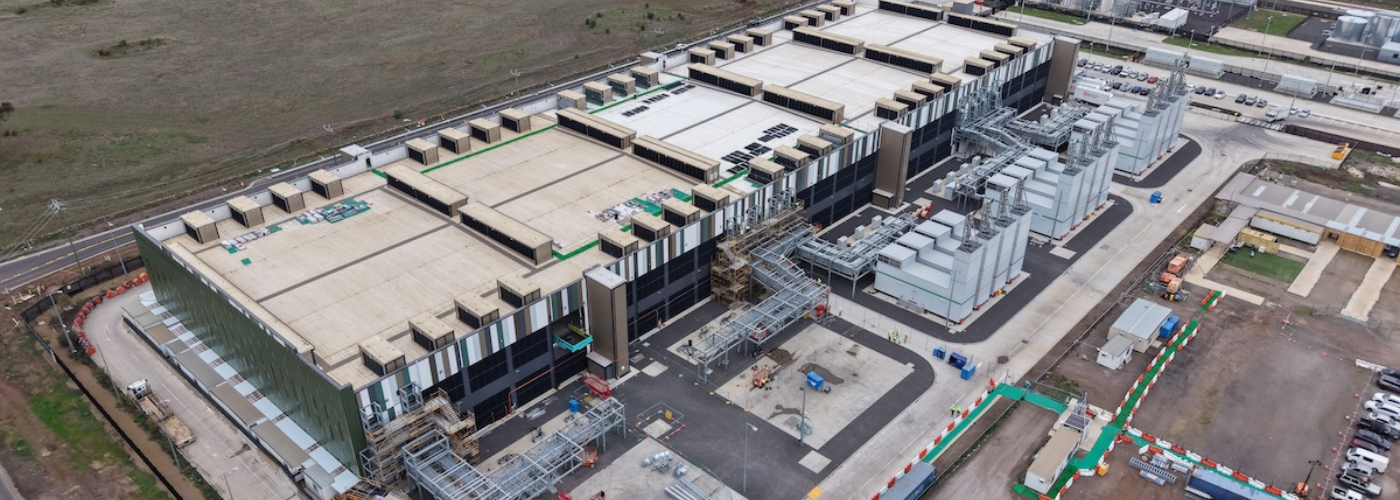
Australia is on the cusp of an extraordinary increase in data centre investment. Artificial intelligence is driving demand for computing power around the world, and companies are looking for places with the land, energy and infrastructure needed to build increasingly large data centres.
Australia has plenty to offer, but data centres also use enormous amounts of electricity, need access to water and infrastructure, and can be built much faster than the new energy generation needed to support them. Beyond Zero Emissions (BZE), an independent climate change solutions think tank, believes Australia can use this investment to help build the renewable energy, electricity networks, skilled workforce and green industries we already need. The question is how we get it right.
At its simplest, a data centre is a building full of computers. Data centres already underpin much of modern life, from cloud storage and streaming to banking, government services and online shopping.
Critically, artificial intelligence is changing their scale. Training and running large AI models requires enormous computing capacity, so the new generation of data centres being proposed can consume vastly more electricity than the facilities most Australians would traditionally think of as data centres.
This distinction matters because a facility hosting critical digital services is not necessarily the same proposition as a huge AI training facility. BZE argues that the standards applied to data centres should recognise these differences.
Electricity use from data centres can get very big, very quickly. Australia’s pipeline of proposed data centres is far larger than the electricity system could realistically accommodate in full.
That doesn’t mean Australia should say no to data centres. It does mean we need to plan for them, including where they connect, where their electricity comes from and who pays for the infrastructure their demand requires.
Where data centres are built can make a big difference. Australia already has times and places where renewable generators produce more electricity than the grid can use or transport, meaning some of that clean energy goes to waste. Putting large data centres closer to abundant renewable energy and available grid capacity could make better use of the electricity we already produce. Last year alone, nearly 8 TWh of renewable electricity was curtailed, enough to power 900 MW of data centre demand.
Location also matters because grid capacity is limited. Data centres are moving quickly and could secure capacity that emerging green industries will also need. BZE recommends that governments plan where the largest data centres go alongside renewable generation, transmission and future industrial needs, so they can help build the energy system rather than simply competing for what is already there.
Rapid growth in electricity demand can put upward pressure on power bills, particularly if new demand arrives without enough generation and network infrastructure to support it. But more demand is not automatically bad for consumers. If data centres bring new generation with them and connect in the right places, they can help spread the fixed cost of electricity infrastructure across more electricity use.
Where data centres connect to the grid is particularly important. Around 33% of a typical household electricity bill comes from the distribution network, the local poles and wires that deliver electricity to homes and businesses. Transmission, the high-voltage network that moves large amounts of electricity over long distances, contributes only around 6%.
This means a smaller data centre connected to a local distribution network could potentially have a greater impact on household network costs than a much larger facility connected directly to transmission. It’s why BZE argues that size alone isn’t a good measure of a data centre’s impact on the electricity system.
Electricity grids are built to handle peak demand: the busiest times, like hot summer evenings when air conditioners across a city switch on at once. A data centre that draws full power around the clock adds to the demand at those critical moments. However, a data centre that can be flexible with its power use when the grid is under pressure is a much smaller burden, and AI data centres have more ways to do this than most large electricity users.
The first is batteries. Many large data centres already install them as a buffer between their computers, which can ramp up and down very quickly, and the grid, which needs stable, predictable demand. Making batteries a technical requirement would let facilities run on stored energy during peak periods. Backup diesel generators are not a comparable option, because they would increase emissions and deepen our reliance on imported fuel.
The second is moving or delaying work. Training an AI model is rarely urgent, so it can often be paused or slowed for a few hours. Companies with facilities in several locations can also shift jobs away from regions where the grid is stretched. AI companies already sell cheaper, slower service tiers for low-priority tasks, and these could be extended to support the grid.
The third is turning the power down. Trials by US start-up Emerald AI found that reducing the power supplied to AI chips cuts their electricity use by more than it slows them down. In one trial in Phoenix, Arizona, a 25% cut in chip power reduced performance by less than 10% for some tasks.
Emerald’s approach of coordinating workload shifting and power reduction on instruction from the grid operator has been tested in the US and with the United Kingdom’s National Grid, but not yet in Australia. BZE recommends the federal government fund pilot projects to test how these approaches could work within the rules and systems the Australian Energy Market Operator uses to run the grid.
It might seem straightforward to require data centres to bring enough new renewable generation to meet their electricity needs. BZE supports the principle that data centre growth should drive new renewable energy, but how that generation connects to the wider electricity system matters.
If new generation and data centres are planned together, that investment can help add capacity to the broader energy system rather than simply meeting the needs of an individual facility.
The goal should be to make sure data centres bring enough new renewable energy into the system to support their growth, while making them pay fairly for the infrastructure their demand requires. That way, new data centre investment can add capacity to the energy system rather than simply competing for what is already there.
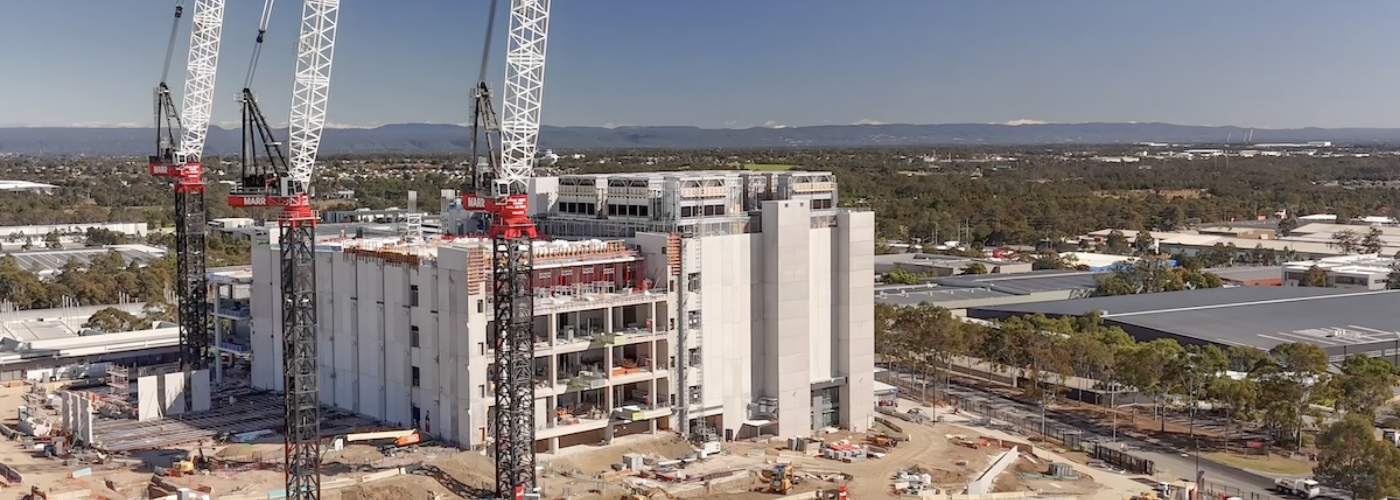
A data centre can potentially become operational in around 18 months, while a new solar or wind project can take considerably longer. This creates a difficult sequencing problem. Even if a data centre developer commits to supporting new renewable generation, the data centre may be ready before the wind or solar farm is.
In the short term, that additional demand would largely be met by the existing electricity system, including coal and gas. BZE believes governments need to take a stronger role in coordinating data centre development with new energy generation rather than allowing this mismatch to become a repeating feature of each new development.
There are different ways governments could approach this timing problem. One is to require data centres to wait until the renewable energy needed to support them is available. Another is to allow development to proceed where there are strong mechanisms in place to ensure the data centre drives additional renewable investment.
One option considered by BZE is REGO overshoot. The Australian Government is considering using Renewable Electricity Guarantee of Origin certificates, or REGOs, as part of its framework for data centres. In simple terms, a REGO is evidence that renewable electricity has been generated.
BZE believes any REGO obligation should drive new renewable generation, rather than allowing data centres to rely indefinitely on certificates from renewable electricity that would have been generated anyway.
Under a REGO overshoot model, where a data centre’s new renewable generation is not yet available, its outstanding obligation would build up. Once that new generation is available, the data centre would be required to support more renewable generation than it consumes to compensate for the earlier shortfall. Signalling that higher future demand in advance could also give renewable developers a stronger basis to invest in additional generation.
BZE also considers other options, including coordinated investment vehicles that could help finance renewable energy before future data centre demand arrives. The important outcome is that the renewable energy requirement remains strong and the cycle of data centres arriving before new generation does not simply repeat.
Renewable energy projects also need predictable long-term revenue to secure finance and get built. That's why BZE recommends requiring data centre tenants to sign power purchase agreements, or PPAs, with new renewable generators.
A PPA is essentially a long-term commitment to buy electricity from a generator. The two mechanisms perform different but complementary jobs. REGOs create demand for new renewable electricity, while PPAs give renewable developers the long-term revenue certainty that helps them actually build it. In practice, REGOs from a facility can be included in a PPA as a means of meeting the liability.
Australia already needs a much larger electricity network to support electrification and new industries, and the enormous demand created by data centres could potentially help finance some of that investment.
However, consumers shouldn't be left paying for major network upgrades that are brought forward primarily because a cluster of data centres wants to connect. Where data centre development causes major transmission investment to happen earlier, or makes a larger project necessary, BZE suggests that charging arrangements should ensure those costs are appropriately attributed to the developments creating the demand.
Done properly, large new electricity users could become contributors to the next generation of Australia's grid rather than simply competitors for the capacity we already have.
Not every data centre needs to be close to a major city. AI training is highly tolerant of distance from users, while many inference workloads also have considerable flexibility about where they are located.
That creates an opportunity to be more strategic about where the largest facilities are built. Grid capacity is limited in some parts of Australia, and data centres are moving faster than many of the new industries that will also need access to it. Governments should identify locations where data centres have access to renewable energy, land and infrastructure without crowding out other industries.
With the right planning, data centre demand could instead help drive investment in new energy, transmission and telecommunications infrastructure that supports broader industrial development in regional Australia.
Data centre construction also creates significant demand for steel, aluminium and cement. BZE believes Australia should use that purchasing power to help build markets for locally produced green materials.
Australia is already investing in the production of green aluminium, steel and other lower-emissions materials. Large data centre developers can complement that investment by providing something these emerging industries also need, customers willing to make long-term commitments to buy their products.
BZE recommends closed-loop cooling, where water circulates through a sealed system rather than continually being consumed, as the baseline for new facilities. Where this isn't feasible, proponents should demonstrate that alternatives won't compromise local water security.
Australia has an opportunity to make data centre growth work for the energy system, consumers and the broader economy, but that outcome isn’t guaranteed.
Poorly planned growth could compete for scarce grid capacity, put additional pressure on electricity infrastructure and create enormous new demand before enough renewable generation is ready. With the right planning, the same investment could help finance new renewable generation, strengthen the grid, support Australian green industries and create new opportunities for skilled workers and regional communities.
The data centre boom is coming. The task now is to make sure this investment helps build the energy system and industries Australia needs for the future.
Read our FAQ: What is the data centre REGO liability, and how does it work?
Read the media release: Beyond Zero Emissions says smart data centre growth can strengthen Australia's grid
Read BZE's full submission: Australian Government consultation on AI training and infrastructure


.jpeg)
_Page_01.jpg)

%201.webp)
